So, you’ve purchased your first home in Chicago – congratulations! Although those initial feelings of being a homeowner are unparalleled, don’t erroneously assume that the hard work is over just yet. Homeowners face a slew of additional responsibilities and considerations that apartment dwellers do not. But, preparing in advance is the easiest way to avoid emotional and financial stress as you make the exciting transition from renter to buyer.
If you’re a new Chicago homeowner – or plan to become one in the near future – keep these best practices in mind:
Budget for maintenance expenses
There’s more to owning a home than paying your mortgage. No longer can you rely on your landlord to pick up the bill for plumbing issues, electrical mishaps or broken down appliances. As a rule of thumb, homeowners should set aside 1 to 3 percent of a home’s purchase price for annual home repairs – i.e. $3,000 for a $300,000 home. Keep in mind, maintenance costs vary considerably depending on the property type. When you purchase a single-family property, you’re likely liable for the entire structure. On the other hand, most condos in Chicago are regulated by a Homeowners Association (HOA), which collects monthly dues and special assessments for shared upkeep and related expenses. With an HOA, you can evade sole financial responsibility for things like façade maintenance, roof repairs, and gutter cleanings. Make sure you fully understand your HOA bylaws and the areas your monthly dues cover before creating a home maintenance budget.
Change the air filters
Although routine, many new homeowners forget to change the air filters in their condo or house because landlords and property managers often assume this task. If you’ve recently purchased a home in Chicago, plan to swap out your air filter every 30 to 90 days. The air filter lifespan is largely contingent on the strength of the filter used and your family’s sensitivities to allergens and dust. They catch dirt, dust and pet dander, all of which have the potential to accumulate over time and diminish your indoor air quality (IAQ). Changing the air filter is good for your health, but also helps HVAC systems run more efficiently without having to fight build-up and blockage, saving you money on electricity and keeping you cool during the hot summer months. Before you buy in bulk, check the existing air filter to determine exact replacement size. Air filters cost as little as a few dollars or as much as $30 depending on the quality and projected lifespan. Homeowners who suffer from allergies might consider a premium air filter to avoid seasonal and dust-related reactions. If you’ve never changed an air filter before, check out the video below:
Save on furniture
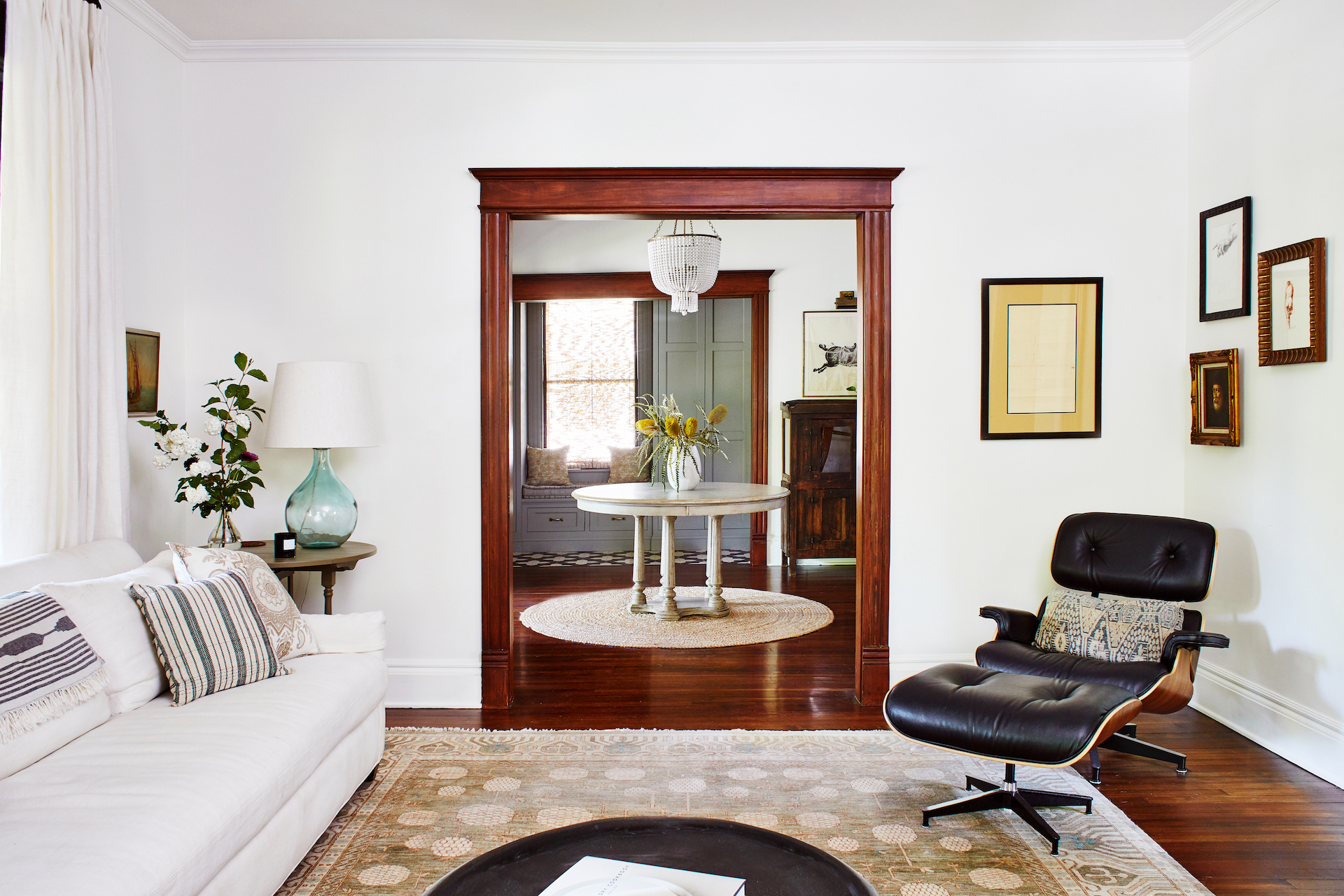
Now that you’ve bought your first home and plan to stay put for a while, it’s time to invest in quality furniture. Although you should probably part with that dingy futon from your college days, don’t expect to have the budget to splurge at Restoration Hardware immediately after devoting thousands toward a down payment and closing costs. Earmark some of your leftover savings for new furniture and decide in advance which items are worth the splurge. For example, a comfortable and durable sectional sofa is a good investment for families with small children or a couple who entertains often. If you work from home, a sturdy desk with ample storage may be your big-ticket item of choice. Meanwhile, homeowners who eat out often need not buy fancy cookware or a massive dining table. Overall, consider your habits and where you spend the most time. Then, create an itemized, reasonable budget for each key piece of furniture your new home needs.
Appeal property taxes
The average Chicago property tax bill is due to jump approximately 10 percent in 2017. Appealing your Cook County property tax assessment is a must-do, even though only 19 percent of homeowners appealed last year. Submitting an appeal with the Assessor’s office doesn’t cost a thing. And, the officials won’t raise your assessment because of your proposal, leaving little to lose and a lot to gain. In the first stage of 2016, over half of the reduction requests in Cook County were approved. That figure rises to 80 percent approved if you count the previously-rejected appeals that were reconsidered by the Cook County Board of Review. The process is straightforward; find comparable properties in your neighborhood (county employees can help) and fill out the necessary paperwork to formally advocate for a property tax reduction. You could hire an attorney to assist, but a spokesperson for Cook County Assessor Joe Berrios said the success rate with a lawyer doesn’t seem to make much of a difference. In 2016, residential appeals filed with an attorney’s help resulted in a 53.9 percent success rate compared to a 55.3 percent success rate for homeowners who filed without a lawyer. Homes in Cook County are reassessed every three years depending on the neighborhood and assessment notices are typically sent out between the late summer and early fall months. You can find a running schedule on the Cook County Assessor website to prepare accordingly.
Prepay your mortgage
Although mortgage rates have sustained an astonishingly low trend throughout the better half of 2017, paying interest on any purchase is not ideal. New homeowners spend most of their mortgage on interest for the first 15 years of the average 30-year fixed mortgage term. Assume tomorrow, a Chicago first-time home buyer finances $400,000 (80 percent) on a $500,000 West Loop condo with a 4.5 percent interest rate and a total monthly mortgage payment of about $2,030 per month. Until May 2032, that homeowner will spend more on interest payments than they do on principal, the latter of which determines how much personal equity is in the home. According to the standard amortization schedule, that mortgage wouldn’t be paid off until September 2047.
By electing to increase the monthly mortgage payment by $300 (all of which goes toward principal), that Chicago mortgage would be paid off by October 2040 – nearly seven years sooner than the fixed agenda. Keep in mind, homeowners rarely stay in the same home for 30 years. Still, the total interest for the first seven years would lessen to approximately $114,000 compared to $119,000 without prepayments. Essentially, the homeowner would save $4,000 savings in interest and benefit from $25,000 in added equity that, under normal market conditions, returns or increases at resale.
This is not to say that every homeowner is suited to prepay their mortgage. Ultimately, the decision to prepay largely depends on your personal finances, specifically if you currently have an emergency savings fund in place. If not, dedicate the extra money toward your liquid savings rather than handing it over to your lender. In addition, your money may best be invested elsewhere where the rate of return is higher than your current interest rate. Credit card debt, which usually carries a much higher interest rate than today’s average mortgage, should also be paid off prior to mortgage prepayments.
Z Chicago is here to help with all first-time home buyer and new homeowner needs. When you’re prepared to initiate your first Chicago home purchase, call us at 312-810-2295.