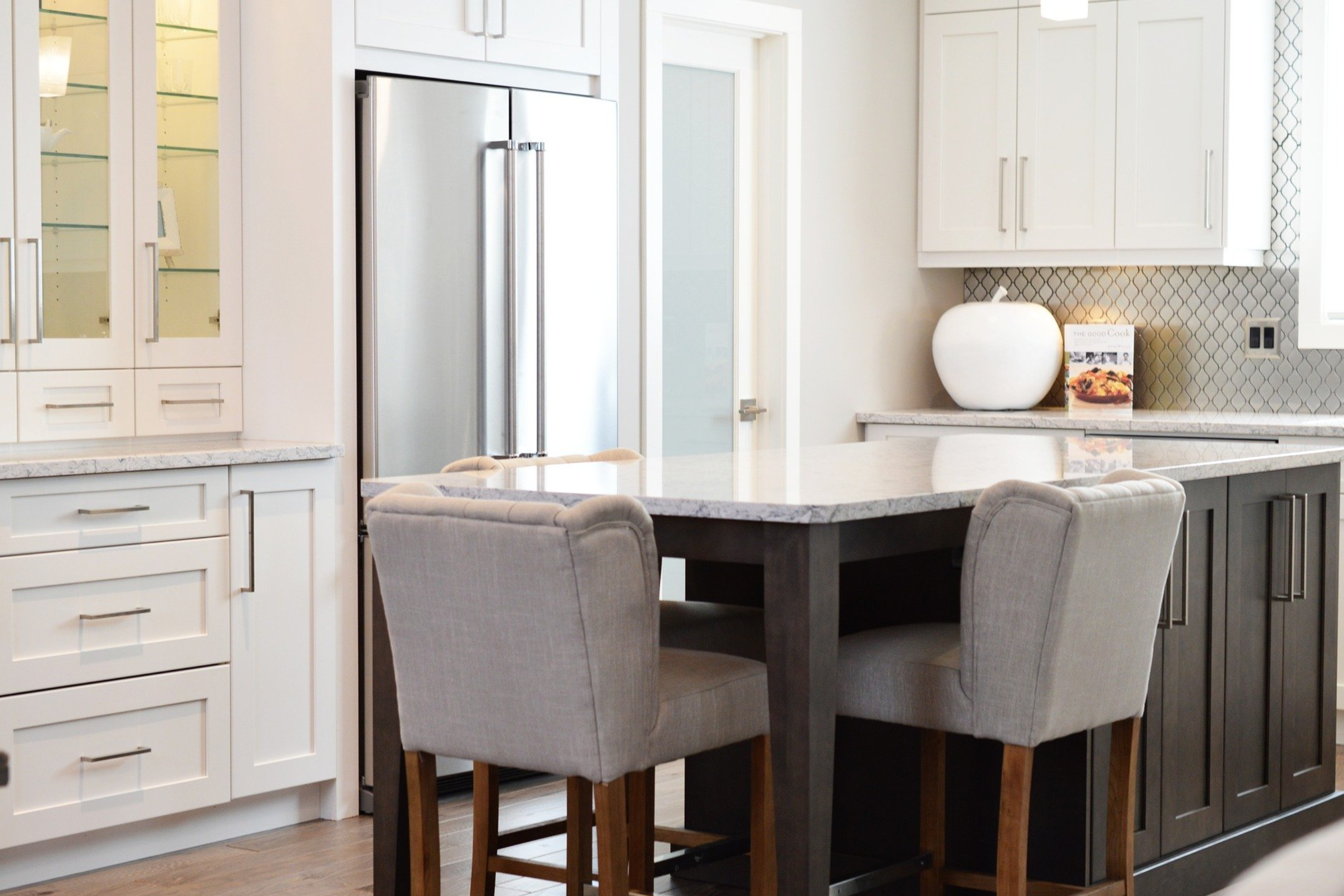
HGTV makes home rehab look easy (thanks, Joanna), but anyone with the first-hand experience knows the stress behind real estate restorations and revamps. The potential rewards on a fixer-upper home in Chicago are almost as high as the risks. It can be a grave gamble if you lack familiarity with construction, design or real estate in general.
If you’re considering buying a fixer-upper home in Chicago, ask yourself the following questions first:
Do you plan to live in the home?
There are two very distinct paths for fixer-uppers. The first is known as home flipping, or purchasing the home at a discounted price solely as an investment property and selling for (hopefully) a profit within a year. Or, you could purchase the home below market price and renovate for personal use, all while increasing the home’s value in the long run.
Most professional flippers follow the former and have a knack for home auctions, REO (real estate owned) transactions, rehabbing costs and designing a home to sell fast. But, there are many people who purchase a fixer-upper home in Chicago for themselves. If you’re design-savvy and want an updated place without paying a premium for new construction, fixer-upper homes in Chicago may be your best bet. You’ll likely spend more than a seasoned property investor when all is said and done. Most flippers choose budget materials and finishes unless the local market is willing to pay for luxury. And, because it’s their full-time job, house flippers usually see discounts on labor and materials after establishing lasting relationships with contractors and wholesalers.
Do you plan to do the work yourself?
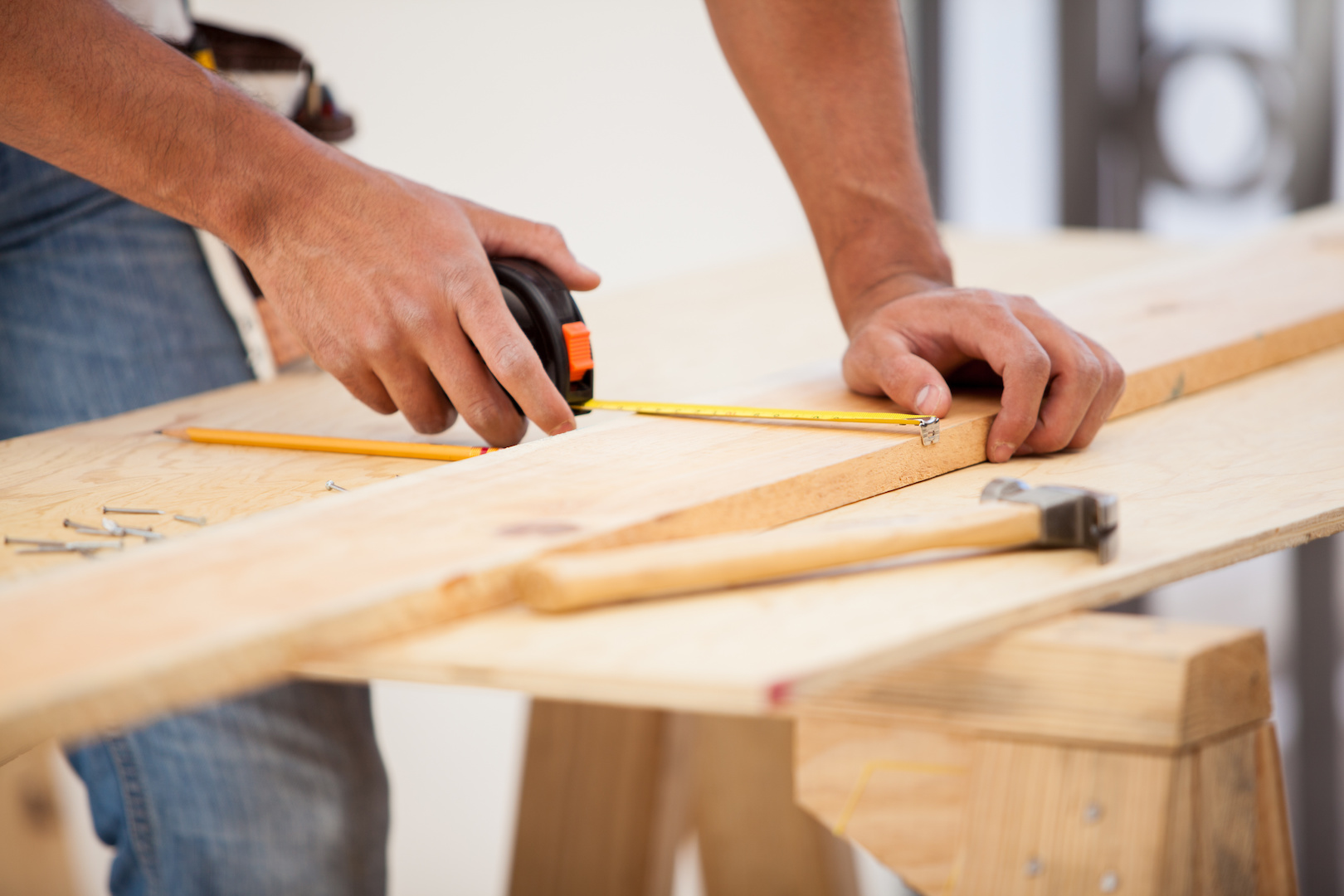
Labor and construction costs are steep and you can save considerably if you do the work yourself. The DIY renovation process is not for the faint of heart. Just because you’re good at fixing things around the house doesn’t mean you’ll become a remodeling pro on your first try. And, you’ll still have to pay for supplies and materials to get the job done right. If you do plan to hire a contractor, which is the recommended route, have he or she attend the walkthrough (if possible) to get repair advice and estimated costs before you buy. You don’t have to pay a professional to do everything, though. To save money, tackle cosmetic projects like painting, stripping wallpaper, laying tile, changing hardware and decorating alone. Leave electrical and plumbing work to the pros.
Does the fixer-upper need cosmetic upgrades, structural repairs or both?
The biggest drawback to buying a bank-owned property is the “as-is condition” parameters. You won’t have the opportunity to have the home professionally inspected before you buy. Buying at auction lessens your chances of even scheduling a walkthrough and evaluating the home’s condition first hand. But, most REO and auction homes are priced to reflect these limitations. You may strike gold and acquire a slightly outdated property in a hot neighborhood that needs minor interior upgrades. Or, you could uncover major structural defects that cost tens of thousands of dollars to repair. Doing extensive research beforehand is key.
If you’re purchasing a condo, the odds of serious structural defects are usually building-wide and harder to hide. Look up the Homeowners Association history, specifically for tax and litigation issues. There may be lawsuits or bankruptcies involved that could affect your finances whether purchasing the home for yourself or selling as a flip. Be sure to review tax assessments that could affect your future finances or discourage prospective buyers.
Do you know your market?
The easiest way to save and make a solid investment on a fixer-upper is locating the best-priced home is an established or up-and-coming neighborhood. Like any home purchase, it’s wise to have a Chicago real estate agent analyze recent sales prices of comparable homes nearby. This will give you a better idea of how much your fixer-upper home in Chicago could be worth once transformed. Running the comps is also a strategic budgeting tool. You’ll get a better grasp on how much you can spend on renovations without over-upgrading and losing some of that money at resale – either now or in the future. If the data reveals climbing home prices, you may be looking at a property value that surges on its own to deliver you an even greater ROI (return on investment).
Before you dive into the submarket specifics, consider the current citywide flipping market. A study from Attom Data Solutions showed the gross profit for 5,108 flipped homes throughout Chicago was $81,162 in 2016, making this the 20th most profitable flipping market in the nation last year. The top neighborhood in the city for flipping was Avondale, with 22 total flips and a maximum gross profit of $211,000.
The bigger the risk, the bigger the reward. However, buying a fixer-upper home in Chicago is not a foolproof method to save on your purchase or make a quick return. You could land in serious hot water without doing your due diligence first.