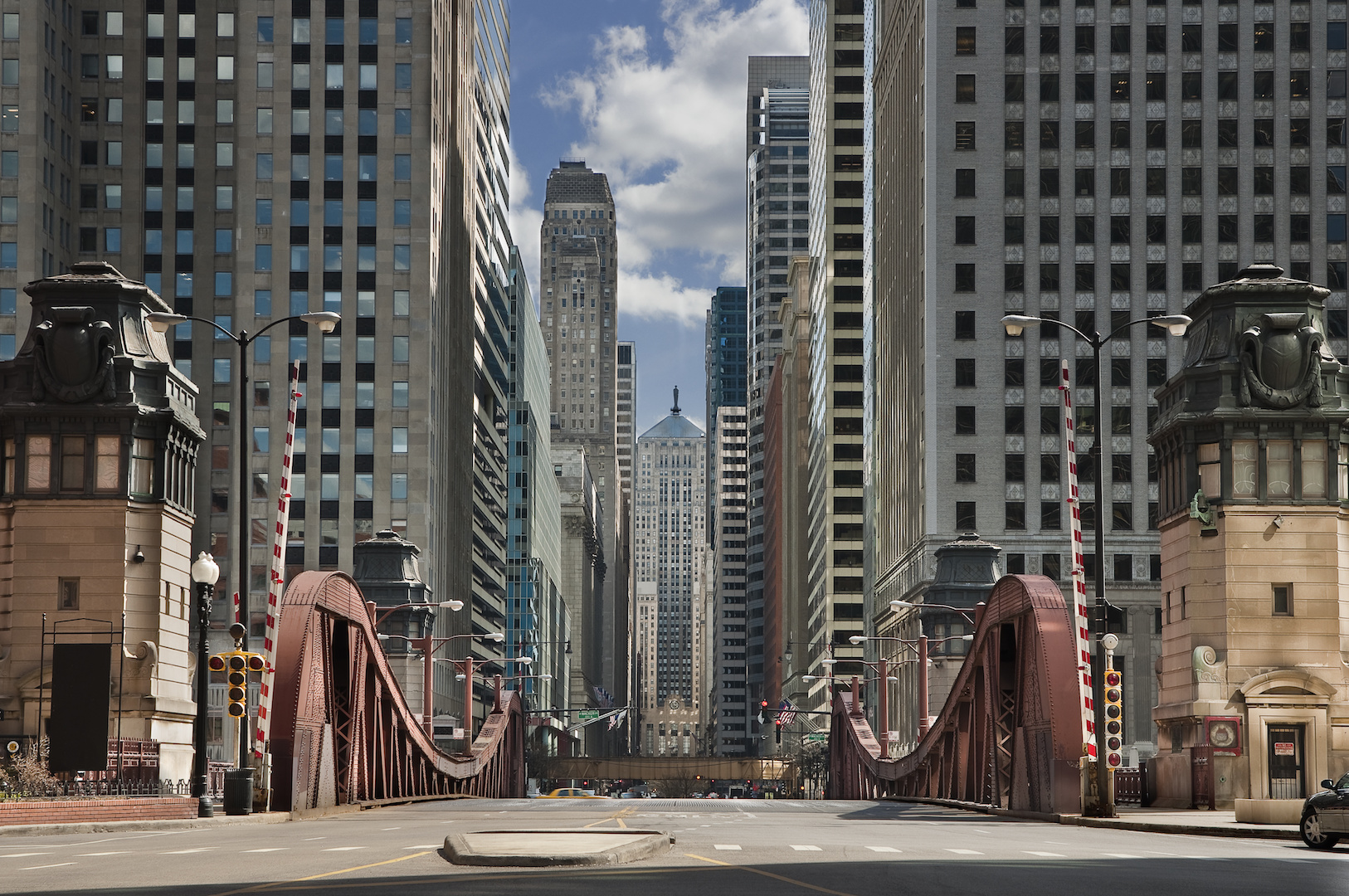
Moving to Chicago may be the best decision you’ll ever make. The Windy City has an illustrious history, a vibrant nightlife scene, and passionate sports fans. Best of all, Chicago home prices are considerably lower than other large coastal cities like San Francisco and New York.
Before you pack your bags and move to Chicago, there are a few things you should know to streamline the upcoming transition.
Forget Your Car
In Chicago, the public transportation system is very efficient. Attempting to get anywhere using your own car usually takes much longer than a taxi, the bus or the “L” train. You not only have to deal with traffic, but street parking is almost always a hassle. Sure, having a car would be nice if you ever wanted to move furniture or take a weekend get-away, but for your work commute or weekend errands, a car really isn’t necessary here.
Fortunately, Chicago’s public transportation system – called the Chicago Transit Authority, or CTA – is consistently ranked as one of the best in the nation. And on rare days when a train or two encounters delays, local employers are usually reasonable enough to overlook your tardiness.
Better yet, biking in Chicago is a great way to get around during the summer months as the city streets are easy to navigate, thanks to the grid system. Biking in Chicago is often more time efficient, especially during rush hour traffic. Besides, who wouldn’t want to ride around such a beautiful city on a balmy summer day?
Know Your Neighborhood
There are 77 neighborhoods that make up all 279 square miles of Chicago and, believe it or not, each neighborhood has its own culture. When you find one that fits your personality – which you inevitably will – you’ll feel right at home. Being the largest Midwestern metropolis, Chicagoans are known for their friendliness, even toward newcomers.
Many people find they become friends with their neighbors, helping ease their transition to Chicago immensely. In an interview conducted by Trulia for Forbes, Chicagoan and homeowner Kim Vargo said, “The people here are just down-to-earth. They don’t take themselves too seriously. It’s really a small-town mentality, and Midwestern friendliness is a real thing.”
Here’s a brief overview of Chicago’s geographical breakdown:
- North: Together, Chicago’s North Side neighborhoods create a highly eclectic atmosphere. From catching a Cubs game in Wrigleyville to boutique shopping in Bucktown and live jazz in Uptown, you’ll always have something to do on a Friday or Saturday night.
- West: The West Side holds an authentic cultural experience intertwined with corporate outposts and high-end dining. Communities like West Town still retain much of their roots while developing areas like West Loop are highly in-demand, particularly among young professionals.
- Downtown: Downtown Chicago – predominately River North, the Loop, and Gold Coast – has all of your top attractions. The “Bean” at Millennium Park, Buckingham Fountain, the Historic Theatre District as well as art galleries, cocktail lounges, shopping on Michigan Avenue and local beaches are just a few popular stops for tourists and locals alike.
- South: Chicago’s South Side boasts an array of cultural and social offerings. From monuments in Bronzeville to the Museum Campus in South Loop to Chinatown’s authentic cultural cuisine, there’s something for everyone here.
California Summers in the Midwest
Chicago’s warm summer weather and pristine sandy beaches along the shores of Lake Michigan can have you wondering if you somehow fell asleep and woke up on the West Coast. Unlike California’s sandy stretches, Chicago’s beaches lie parallel to our impressive skyline. Amazing scenery combined with great weather (summer temps average 71oF) is why every Chicagoan maximizes their outdoor time come June.
Not only do Chicago’s beaches offer a place to relax, but they also offer activities to satisfy the more adventurous type. Chicago’s most popular beach is Oak Street Beach on the Gold Coast. Here, Chicagoans participate in beach volleyball tournaments, beachside bike rides, and water activities while remaining just steps away from downtown.
If beaches aren’t for you, the city also offers alternative activities and attractions, including a thriving restaurant and nightlife scene as well as multiple music festivals throughout the year. No matter what you like, you’ll always have a way to make the most out of #summertimeChi.
Colder than Cold
Now that we have talked about the best part of the year, it’s time to discuss what you’ve certainly contemplated prior to your upcoming move to Chicago. Chicago winters can bring temperatures as low as -20oF with added wind chill during the months of January and February. It takes practice to really know what works best for you and how to modify your commute when temperatures start to dip below freezing.
It may be obvious, but the first thing you should do is find winter clothing that is not only warm and comfortable but breathable. Most people walk to and from the nearest L or bus stop – and no one wants you hot and sweaty before your eight-hour workday.
Although staying inside your warm home all winter except to go to the grocery store or your place of work is tempting, do not get in the habit of hermitting. The winter months make for a great time to strengthen new friendships or try unfamiliar activities. Talk to your neighborhoods – chances are, they’ve been through a winter in Chicago before.
Don’t let gloomy weather get the better of you. If you’re feeling trapped, try to break up the winter with a few short long weekends away. If traveling isn’t for you, find a good book, new show to binge watch or best kept local secret to pass the time.
Lastly, remember that while thinking about your first winter in Chicago may have you a bit frightened, you’ll learn to enjoy it eventually. Once the snow melts, the city’s energy shifts into high gear – making summer that much sweeter.
Buying or Renting in Chicago
Chicago is a popular destination for many people and, consequently, the real estate market near downtown is booming. Starting your home search in the late fall (i.e. now) is key, particularly since research shows the best time to buy a home in Chicago is in the winter. Chicago is a seasonal real estate market, meaning home prices tend to drop alongside the temperatures. If you’re looking to buy a home before you move, working with a local broker who can manage the transaction (even if your absence) is a no-brainer.
If you’re renting, use a leasing agent. Leasing agents in Chicago don’t charge a fee unlike in other major markets (looking at you, New York City) because they are compensated by landlords and property managers. And, your landlord cannot charge you more rent to cover commission dues, thanks to Fair Housing Laws. What’s more, an experienced rental agent stays updated on all the best concessions and deals around the city, increasing your odds of finding an apartment that you assumed was over budget. Make sure to work with an agent who has access to both professionally-managed apartments and private condos for rent listed on the MLS (i.e. a Realtor®).
Moving to a new city should be more fun than challenging, but being prepared usually minimizes potential hiccups.
Article courtesy of Abigail Golder
Abigail is a senior studying journalism at ASU’s Walter Cronkite School of Journalism and Mass Communications. She plans to graduate in May 2018 from the Cronkite School and Barrett, The Honors College. She plans to pursue a career in travel and culture writing. Originally from Colorado, Abigail grew up in a small town called Montrose and she still spends much of her free time in the mountains hiking and skiing.